

Choosing the Right Disability Scooter
A disability scooter can help you regain your independence and allow you to enjoy a variety of indoor and outdoor activities. But, selecting the most suitable model can be a challenge.
Children will need upper hand strength and hand coordination to control the wheel. These requirements are similar to those needed to operate a wheel chair.
Increased Independence
A disability scooter is a great device for people with mobility issues. They may be in a position to walk for short distances, but they struggle when walking for long distances or over a prolonged period of time. It can make it easier for them to move around and do everyday tasks like shopping or visiting friends, instead of relying on others to take them or having to give up these activities completely.
The increased independence that comes with mobility scooters is a significant benefit. They allow users to move independently without having to depend on others and can increase their confidence. This also means that they won't need to wait around for others to assist in their journey. This can be a source for anger and depression in those with mobility issues.
The majority of scooters are designed to give the user the comfort they require, which includes enough leg room and a comfortable seat. This is important as it allows people move around easily and keeps them from becoming tired more quickly than in a wheelchair. It helps people maintain their physical health and improve their overall quality of life.
There are various types of mobility scooters available with a variety of 3-wheel and 4 wheel models. 3-wheel mobility scooters are generally better suited to indoor use because of their mobility, while 4-wheel mobility scooters tend to perform better outdoors due to their stability. Consult your occupational therapist or GP if you are unsure about the kind of scooter that's right for you.
Mobility scooters can be easily removed and stored to make it easier to transport. It is easy to transport it in your own car or in the trunk, if required. This is especially helpful when you travel for business or vacation and require a mobility scooter with you in the event of an emergency.
Reduced electric mobility
Getting around using a disability scooter means that you can get to the post office, shops and many other places without having to depend on family members, friends or caregivers to take you. You can also be active and involved in your community. This can enhance your mental and physical well-being.
You can choose between a wide range of mobility scooters, which differ in terms of size and power, speed, and other features. However most models are relatively simple to operate and use. The basic premise is that you sit on the seat of the scooter, press down on the levers of the steering to move forwards, and pull back on them to turn left or right. Some scooters are fitted with brakes that regenerative, meaning the user does not have to constantly press down on the pedals in order to stop or slow their vehicle.
You can ask a doctor or physical therapist for assistance if you're not confident operating your mobility scooter. They'll have a thorough knowledge of your particular medical condition and will offer suggestions in accordance with your individual requirements. You can also reach out to the local mobility scooter club to find out how other people manage with their own scooters.
Mobility scooters aren't the ideal option for long distance travel. If you are planning to travel for a long distance it is recommended to choose an option with a big battery capacity and a powerful motor. This will allow you to travel for longer distances and tackle different terrains, without having to worry about running out of battery or overheating.
Mobility scooters are a great way to improve your quality of life, but it's important to understand their impact on your health. A study by Zagol and Krasuski (2010) looked at the medical data of soldiers one year prior to and after their scooter use. The results found that they saw a decrease in their cardiovascular risk factors like blood glucose levels and haemoglobin ALC.
They also reported an improvement in their mental health and overall quality of life. This is in contrast with other studies that suggest that increased comfort from mobility scooters can lead to sedentary and activity-free lifestyles.
Increased Social Participation
The increased independence and freedom of use that comes with mobility scooters is a huge confidence boost. This allows individuals to do errands or attend social events without assistance, which boosts their self-esteem and overall satisfaction. Mobility scooters let users travel further and reach places they previously could not reach. This provides them with a sense of adventure, and a greater sense of well-being.
It can be difficult for those with limited walking capabilities to engage in social activities or complete out without the assistance of others. This can negatively impact their self-image and overall well-being. If someone is able to take part in their daily activities without having someone else to encourage them, they can get back their confidence and social abilities.
There is not much research on the benefits of mobility devices however what is available indicates that users experience an improvement in their overall quality. Users of these scooters say they feel more independent and are able to socialise with friends and family members because they can travel to places in their own home or out on the streets.
Mobility scooters can have a positive influence on caregivers too. They can reduce the physical burden of helping elderly with their daily tasks and move around their homes and communities. This could have a huge positive effect on the mental and physical health of caregivers, who are able to devote more time to their own wellbeing and health.
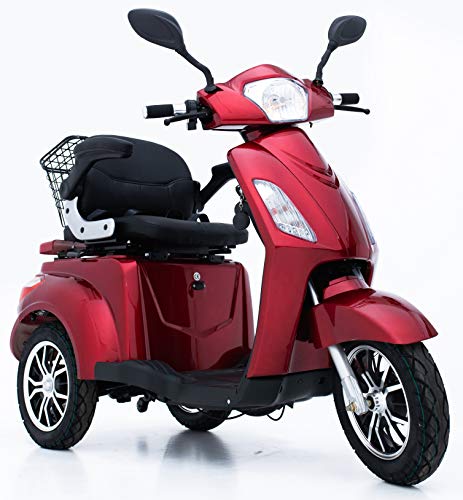
Mobility scooters are becoming more prevalent in the streets due to their improved design, appearance and accessibility as well as a decrease in stigmas associated with their use. These mobility aids are also available for hire in big retail stores, shopping centers and visitor attractions. Shopmobility is one example. It lends scooters to those who don't have one. There has been a lot of research into the use of mobility aids and their effects on physical function and physical capabilities of users, as well as their mental health.
Mental Health Benefits
As mobility issues become more severe, a person can start to feel overwhelmed and helpless. Scooters can help boost a person's self-confidence and emotional wellbeing by permitting them to travel more independently. This can have a tremendously positive effect on an individual's quality of life and can also relieve some of the burden placed on caregivers.
In addition to aiding with everyday tasks, scooters can also help with social interaction and allow people to visit relatives, friends, local events and explore new places more easily than possible without scooters. Mobility issues can cause people to withdraw from social events and activities, which can adversely affect their mental health. By allowing people to continue participating in community events and socialising with their friends, mobility scooters can help in preventing this societal problem.
Mobility scooters are renowned for being easy to use and navigate. As a result, many elderly or disabled people are comfortable using them. The ease of use can decrease the chance of injury or damage and ensure that the machine can be used in a variety of different environments. When choosing a mobility scooter it is important to think about the condition of footpaths, roads and hills as well as battery range and speed control. A mobility scooter suitable for these kinds of terrain should be able to navigate over them and come with a rear-view mirror so the driver can see behind him/her while driving.
Mobility scooters are a common sight in the streets. However, very little is known about the users and the way they use them. It is likely that they have a beneficial impact on their users' physical performance and ability, however it could also be the scenario that a life of sedentary can lead to decline in functional capacity (Brandt and co-authors 2004; May et al, 2010).
Mobility scooters can be a great piece of technology that can help older people who have difficulty walking. It aids in maintaining their ability to move, which is essential for keeping muscles and joints healthy and preventing stiffness. It also lets them connect with family and friends, attend local events, and join groups and clubs, all of which helps to maintain a positive outlook on life and has an immediate impact on their mental health.